
Published by Hermosa Retreat Villas | June 2026 | Uvita, Marino Ballena National Park, Costa Rica
Estimated read time: 7 minutes | Category: Destination Guide, Wildlife, Nature
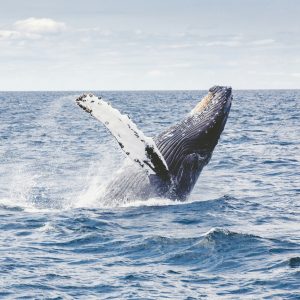
Costa Rica is celebrated for its wildlife, but few experiences anywhere in the country compare to watching a humpback whale breach in the open Pacific from a small boat off the coast of Uvita. This is one of the rarest wildlife encounters available to travelers anywhere in the world: a destination where humpback whales are present virtually year-round, where the proximity to a protected national park means access is managed responsibly, and where the natural setting surrounding every excursion is extraordinary in its own right.
Marino Ballena National Park, which protects the waters around Uvita and gives the destination its signature landmark, the Whale’s Tail sandbar, is the only place in the Western Hemisphere where both Northern and Southern Hemisphere humpback populations converge. The result is an extended whale watching season that runs from roughly December through November with only a brief gap, making Uvita the most reliably productive whale watching destination in all of Central America.
Hermosa Retreat Villas is located minutes from the national park entrance, and whale watching is one of the most requested activities among guests staying in the collection’s Playa Hermosa and Uvita properties. This guide covers everything you need to know: the best times to go, what to expect on a tour, the Whale’s Tail itself, and how to build a trip around this extraordinary natural experience.
Understanding Uvita’s Unique Year-Round Whale Season
Most whale watching destinations in the world operate within a single, concentrated season tied to one population’s migration. Uvita is genuinely different. The town’s position along Costa Rica’s Southern Pacific coast places it directly in the path of two separate humpback whale migrations on opposite annual schedules.
Southern Hemisphere humpbacks, which winter in the warm waters off Costa Rica after feeding in Antarctic waters, arrive from approximately December through April. Northern Hemisphere humpbacks, which travel south from their summer feeding grounds off Alaska and California, arrive from approximately July through November. The result is a year-round whale presence with peak overlap periods in the December to January window and the July to August window, when both populations may be present simultaneously.
The Whale’s Tail: Costa Rica’s Most Iconic Natural Formation
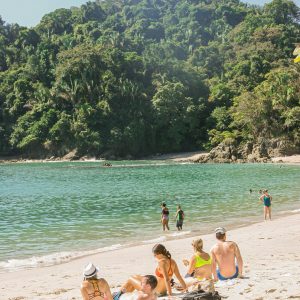
The name Marino Ballena, Spanish for ‘marine whale,’ refers not only to the humpback whales that frequent these waters but to the park’s most visually dramatic feature: a natural sandbar that extends from the beach at Uvita into the Pacific Ocean in the shape of a whale’s tail, or fluke. This formation, visible from elevated positions and stunning from the air, is one of the most photographed natural landmarks in Costa Rica and serves as the symbolic heart of the destination.
The Whale’s Tail is accessible on foot during low tide, when the sandbar rises above the waterline and visitors can walk along its spine with ocean on both sides. The experience is brief, lasting only a window of roughly 30 minutes on either side of low tide, but it is among the more unusual and memorable walks available anywhere in Central America. Hermosa Retreat’s team can help guests time their visit to the Whale’s Tail around the tide schedule during their stay.
What a Whale Watching Tour From Uvita Actually Looks Like
Whale watching tours from Uvita depart from the national park’s beach access and typically run two to three hours. Boats are generally small, carrying between 6 and 12 passengers, which creates an intimate experience and allows guides to maneuver quietly when whales are located. The park’s protected waters mean that encounter distances are managed responsibly, with operators following established guidelines that minimize disturbance to the animals while giving passengers meaningful proximity.
Most tours combine whale watching with additional marine wildlife encounters. Dolphins are extremely common in these waters, and spotted, bottlenose, and spinner dolphin pods frequently accompany tour boats during the outbound or return passage. Sea turtles, manta rays, and flying fish are regular sightings. Snorkeling stops at the park’s reef formations are included on many tours, adding an underwater dimension to the excursion. Hermosa Retreat’s team maintains relationships with the most reputable local operators and can book tours directly for villa guests.
Beyond Whales: The Full Marine Biodiversity of Marino Ballena
Marino Ballena National Park protects one of the most biodiverse marine environments on Costa Rica’s Pacific coast. The park’s coral and rocky reef systems support several hundred species of fish, multiple species of sea turtle (Olive Ridley turtles nest on the park’s beaches during peak season), and a variety of elasmobranch species including reef sharks and manta rays.
Snorkeling and diving in the park’s protected waters offer encounters with king angelfish, parrotfish, moray eels, and occasional pelagic visitors during the right season. The park also encompasses several small rocky islands offshore, which serve as roosting and nesting sites for frigatebirds, brown boobies, and pelicans. Kayaking tours through the mangrove channels adjacent to the park entrance offer a quieter, freshwater counterpart to the marine experience.
Combining Whale Watching With the Full Uvita Experience
Whale watching is the anchor activity for many Uvita trips, but the destination rewards guests who stay long enough to experience its full range. Inland from the coast, the hills behind Uvita contain primary rainforest with excellent birding, including resident toucans, scarlet macaws, and dozens of endemic species. Several waterfall destinations are accessible by car and short hike, including Nauyaca Waterfalls, one of the most spectacular multi-tier falls in southern Costa Rica, reachable by horseback or guided hike.
Uvita’s beach culture is calmer and more local than at larger tourist destinations, with a weekly Sunday market attracting crafts, food, and live music. The town’s restaurant scene punches well above its size, with several excellent dining options focused on fresh local seafood and Costa Rican cuisine. For guests staying at a Hermosa Retreat villa, the combination of a private base with effortless access to this range of experiences is the defining advantage of the destination.
How to Plan Your Whale Watching Trip to Uvita: Practical Logistics
Uvita is located approximately three to four hours by car from San José’s Juan Santamaría International Airport, following the Costanera Sur coastal highway, which passes through several notable towns including Jaco, Manuel Antonio, and Dominical before reaching the Uvita area. The drive is scenic and comfortable on a well-maintained highway, and private transfer service can be arranged through Hermosa Retreat Villas for guests arriving at either of Costa Rica’s international airports.
For whale watching specifically, booking tours in advance is strongly recommended during peak season (December to January and July to August). Tour operators during these windows fill their boats quickly, and last-minute availability is limited. Hermosa Retreat’s guest services team handles tour bookings as part of the pre-arrival planning process, so guests can confirm excursion schedules before they land.
Frequently Asked Questions: Whale Watching in Uvita, Costa Rica
What months are best for whale watching in Uvita?
Uvita is one of the only places in the world with year-round humpback whale activity. The two peak seasons are December through April (Southern Hemisphere migration) and July through November (Northern Hemisphere migration). The overlap windows of December to January and July to August offer the highest probability of sightings. However, whale encounters are reported throughout the year in Marino Ballena National Park, making any month a viable time for whale watching in Uvita.
Can I walk on the Whale’s Tail sandbar at Marino Ballena?
Yes, but only during low tide, when the sandbar rises above the waterline. The accessible window is typically 20 to 30 minutes before and after the low tide point. The walk to the tip of the Whale’s Tail and back takes approximately 30 to 45 minutes once you reach the sandbar. Hermosa Retreat Villas’ team can provide guests with the current tide schedule for any day during their stay to help plan the visit.
How far is Hermosa Retreat Villas from the whale watching tours?
All Hermosa Retreat Villas properties in Playa Hermosa and the Uvita area are within 5 to 15 minutes of the Marino Ballena National Park entrance, from which whale watching tours depart. This proximity is one of the key advantages of staying with Hermosa Retreat for wildlife-focused trips. The guest services team arranges transfers and tour bookings so guests can step directly from the villa into the excursion without logistical friction.
Are whale watching tours in Uvita suitable for children?
Yes. Small-boat whale watching tours in Uvita are well suited to children old enough to manage a 2 to 3-hour boat excursion. Most operators welcome children, and the relatively calm, protected waters of Marino Ballena National Park make for a more comfortable boat experience than open-ocean whale watching in more exposed locations. Families with very young children should confirm minimum age requirements with the tour operator, which Hermosa Retreat’s team can facilitate before booking.
How Hermosa Retreat Villas Puts You at the Center of the Uvita Experience
Staying in a Hermosa Retreat villa is the most direct way to organize a whale watching trip to Uvita. The team’s relationships with the best local tour operators, combined with the properties’ proximity to Marino Ballena National Park, mean that guests spend their time on the water and in the jungle rather than in logistics.
The villas themselves offer vantage points from which whale sightings are occasionally possible on clear days during peak season. More than one guest has started a whale watching morning by spotting a breach from the terrace before the tour boat even departs. It is that kind of destination, and Hermosa Retreat is how you experience it at its best.
Uvita’s whale watching season is not a seasonal event. It is a year-round invitation to witness one of the ocean’s greatest spectacles from one of the most beautiful coastal destinations in the Americas. Hermosa Retreat Villas is five minutes from the water and ready to make that experience happen.
Plan your Uvita whale watching stay with us: hermosaretreat.com