
Published by Hermosa Retreat Villas | August 2026 | Playa Hermosa, Uvita, Costa Rica
Estimated read time: 6 minutes | Category: Costa Rica Travel Planning
Walk out onto the Whale’s Tail at low tide on a Tuesday morning in January and you will share the sandbar with a steady stream of people. Do the same thing in August and there is a reasonable chance you will count fewer than a dozen. The formation has not changed. The tide chart has not changed. The only variable is how many other travelers decided that this was the month.
Anyone researching the best time to visit Uvita Costa Rica encounters the same set of recommendations pointing toward December through April. Those months are genuinely pleasant. They are also the months when villa rates climb, restaurants require reservations, and tour boats fill.
August operates on completely different terms. Whale watching is running at one of its strongest points of the year, the landscape has reached full saturation, and the towns along the Costa Ballena coast feel like they belong to the people who live in them.
Traveling Inside the Southern Humpback Migration
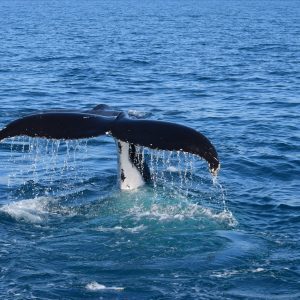
August sits squarely inside the Southern Hemisphere humpback whale season. These animals travel north from waters near Antarctica to the warm, sheltered bays around Uvita, where mothers give birth and nurse their calves before the return journey. The season generally opens in July and runs into October or November.
Marino Ballena National Park protects this coastline and holds the distinction of being Costa Rica’s first marine national park. Regulations govern how close boats may approach, with additional restrictions around mothers with calves.
The overlap works in your favor. Whale activity peaks while visitor volume sits near its annual low, so tours run with fewer people aboard and captains have more room to work.
Finding Empty Beaches Along the Costa Ballena
The stretch of coast from Dominical south through Uvita to Ojochal carries the name Costa Ballena, and it holds several beaches that never see the crowds of Manuel Antonio or Tamarindo even at peak season. In August the effect intensifies.
Playa Hermosa itself runs long and largely undeveloped, backed by forested hills. Playa Uvita gives you the national park entrance and the Whale’s Tail. Playa Ventanas, south toward Ojochal, features sea caves that open at low tide and draws a small local crowd on weekends. Playa Arco requires a short hike or a boat and rewards it.
Bring water and shade. Facilities along most of these beaches remain minimal, which is the reason they still feel the way they do.
Booking Tours and Restaurants Without Planning Months Ahead
High season in Costa Rica means booking whale watching, Caño Island snorkeling trips, and Nauyaca horseback tours weeks in advance. Ojochal’s better restaurants fill their tables. Popular villas commit their calendars by October for the following February.
August removes most of that pressure. Guests frequently decide over breakfast that they want to go out on a boat the next morning and find a spot without difficulty. That flexibility changes the texture of a trip. You follow weather, energy, and interest rather than a schedule locked in three months earlier.
Restaurants also give you more attention. Ojochal built a reputation over the past two decades on French, Indonesian, and Mediterranean kitchens run by expatriate chefs who relocated permanently, and in low season those dining rooms turn into long, unhurried evenings.
Paying Low Season Rates for the Same Coastline
Costa Rica’s tourism industry generally runs high season pricing from December through April and lower rates through the green season months. Villa rentals, tours, and car rentals all reflect that split.
For groups, the difference compounds. A family or a set of couples splitting a private villa in August can often access a property that would sit outside their range in February. The house, the pool, the view, and the wildlife stay identical.
Accepting Afternoon Rain as Part of the Deal
August rain in the Costa Ballena region usually arrives in the afternoon and evening rather than lasting all day. Mornings often break clear. Rainfall generally increases as the season progresses toward September and October, which positions August as one of the more manageable green season months.
Successful August trips share a common structure. Schedule the boat tour, the waterfall hike, and the beach time before noon. Spend the afternoon at the villa. Watch the storm move across the water from a covered terrace with a drink, and go out again in the evening once it clears.
This is where accommodation choice becomes decisive. A property with generous covered outdoor space, a pool, and a real kitchen turns a rainy afternoon into the part of the day people remember.
Watching the Rainforest Run at Full Strength
The Osa Peninsula and the Southern Pacific zone hold some of the densest biodiversity in Costa Rica, and green season is when it announces itself. Frogs become vocal at night. Insects, birds, and mammals move more visibly. Rivers that thin to a trickle in March run hard.
Guided night walks in the area reveal red-eyed tree frogs, eyelash vipers, kinkajous, and an enormous range of insects. Birders find August productive as well, with resident species active and forest visibility improved by the absence of dust.
Frequently Asked Questions: Visiting Uvita in Low Season
When is the best time to visit Uvita, Costa Rica?
The best time to visit Uvita depends on your priorities. December through April brings the driest weather and the largest crowds along with peak pricing. July through October covers the Southern Hemisphere humpback whale migration, with fewer visitors, lower rates, and full waterfalls, alongside regular afternoon rain. August tends to offer the strongest balance of the two, combining active whale season with manageable rainfall and low visitor numbers.
Is Uvita crowded in August?
No, Uvita stays notably quiet in August. Visitor numbers across Costa Rica drop substantially outside the December through April high season, and the Costa Ballena region receives less traffic than Manuel Antonio or Guanacaste even at peak. Beaches including Playa Hermosa, Playa Ventanas, and Playa Uvita often feel close to empty on weekday mornings. Tours, restaurants, and villas generally have availability with little advance notice.
Can you see whales in Uvita in August?
Yes, August falls inside one of Uvita’s two annual humpback whale seasons. Whales from the Southern Hemisphere arrive from around July and remain through October or November, using the protected waters of Marino Ballena National Park to calve and nurse. Tours depart daily from the Uvita beach entrance of the park. Sightings are never guaranteed, though August through September represents one of the more active stretches of the southern season.
Is Costa Rica cheaper to visit during the green season?
Yes, green season travel in Costa Rica generally costs less than high season. Villa and hotel rates, tour pricing, and rental car rates typically drop between May and November compared with December through April. The savings can be substantial for groups renting a private property. Flight pricing varies more by route and departure city than by Costa Rican season.
How Hermosa Retreat Villas Helps Travelers Plan the Right Month
Hermosa Retreat Villas manages a collection of private luxury villas in Playa Hermosa, minutes from Uvita and Marino Ballena National Park. Our team lives here year-round and can tell you honestly what a given week in August tends to look like.
We help guests build itineraries that work with the season instead of against it, connect them with tour operators we trust, and arrange chefs, transport, and provisioning ahead of arrival. Direct booking through our site gives you the full collection and current availability.
Contact Hermosa Retreat Villas: hermosaretreat.com
The travelers who come to Uvita in August tend to come back in August. They found the coastline at its most alive, with whales offshore, waterfalls at volume, and a stretch of the Pacific that felt, for a week, like their own.